NOT EVERYONE DRINKS
Promoting Choice. Respecting Sobriety
Alcohol shouldn’t be sent to people’s homes, inboxes, or workplaces without consent. This campaign is changing that. We are not anti-drinking. We are pro-choice.
A campaign by Samantha Morgan | Impact & Inclusion Consultant, Speaker & Mentor | Accidental Policy Changer | IDInclusion
Follow The Campaign
Get the Not Everyone Drinks newsletter — campaign updates, brand responses, and ways to add your voice. Be part of the change from issue one.
Campaign Overview
Not Everyone Drinks is a public awareness and policy change campaign founded by Samantha Morgan – impact consultant, speaker, mentor, and founder of IDInclusion. The campaign addresses a gap that most brands have never considered closing: the systematic exclusion of non-drinkers from mainstream marketing, workplace culture, and consumer communications.
The campaign launched from a real-world act of advocacy. When Samantha raised concerns about HelloFresh sending unsolicited alcohol promotions to customers, the company paused these promotions. That single outcome proved the central premise: change is possible, and one voice can trigger it. In its first two weeks alone, the campaign has reached tens of thousands of people online and sparked conversations across organisations.
Not Everyone Drinks aims to grow from a personal story into an industry standard – pushing brands, policy-makers, and workplaces to treat sobriety as a valid, respected choice rather than an oversight.
We are not anti-drinking. We are pro-choice. This campaign exists because people who choose not to drink deserve the same respect as those who do – the right to live, work, and engage with brands without alcohol being pushed on them uninvited.
“We made handing out cigarettes unthinkable. It’s time we did the same for alcohol.”
Impact So Far
In just two weeks:
• HelloFresh paused unsolicited alcohol promotions in direct response to the campaign.
• Featured on the BBC.
• Tens of thousands of people reached online.
• A podcast appearance coming up with a respected voice in the sober space.
• Meetings or discussions with respected organisations across recovery, safety, and inclusion.
• Conversations sparked inside organisations about how alcohol reaches their customers and colleagues.
The Story Behind the Campaign
Samantha Morgan is the founder of IDInclusion, an impact and inclusion consultancy dedicated to challenging systemic barriers so more people can access services, education, work, and opportunities. Alongside IDInclusion, she works freelance as a mentor for neurodivergent people and as a specialist EDI case manager for a charity. She is also a mother to a son and 3 dogs.
Samantha purposely keeps details of her sobriety private, but it gave her a second chance. She returned to education, earned her degree, and has been accepted to the University of Cambridge for her master’s. She leads a completely sober life, and she is proud of it. She keeps her home alcohol-free because none of what she has built would have been possible without her sobriety. She has gone on to change policy at a university, contribute to inclusion changes across sectors – including at the Open University and in social housing – and works across social justice spaces.
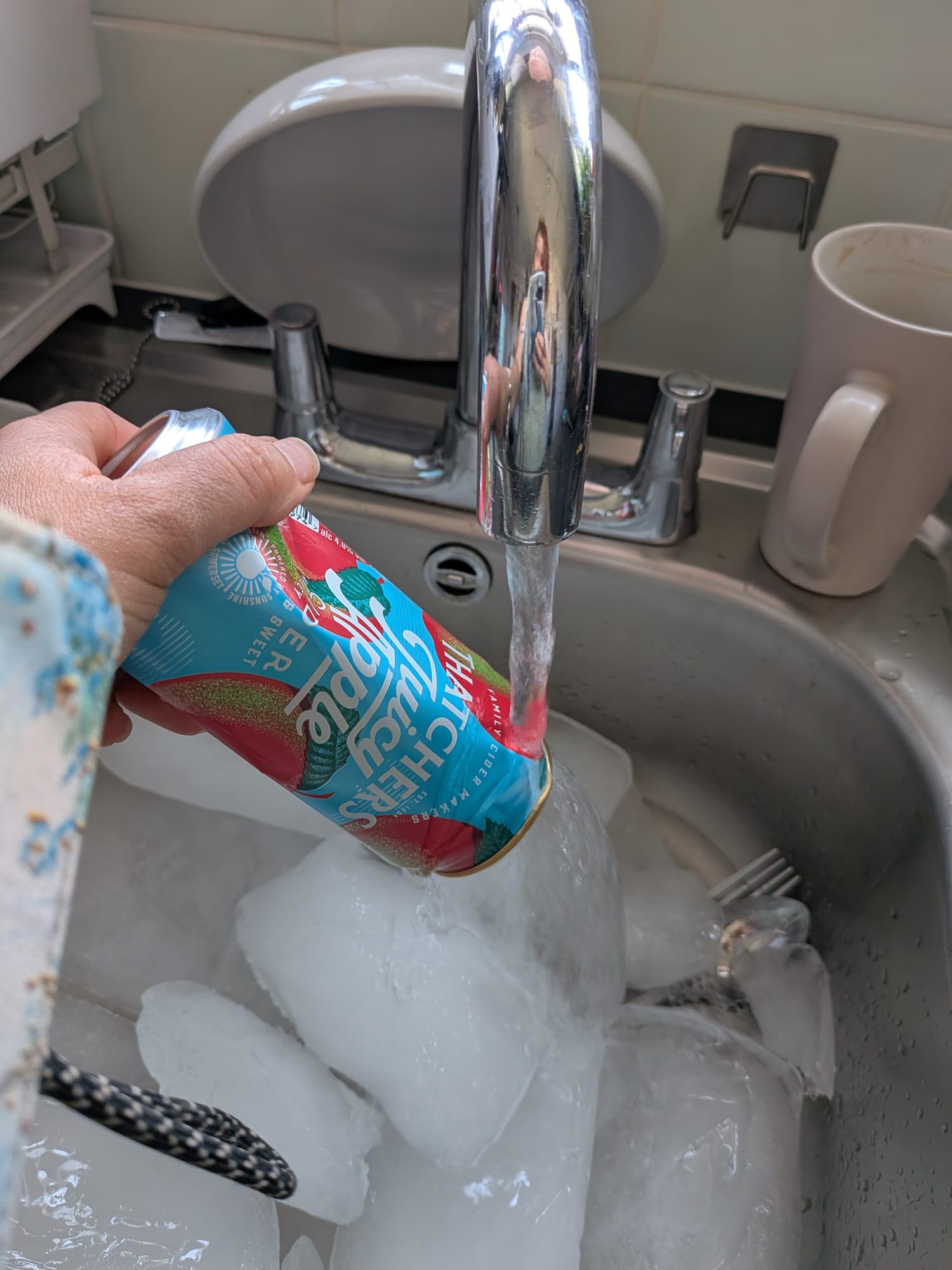
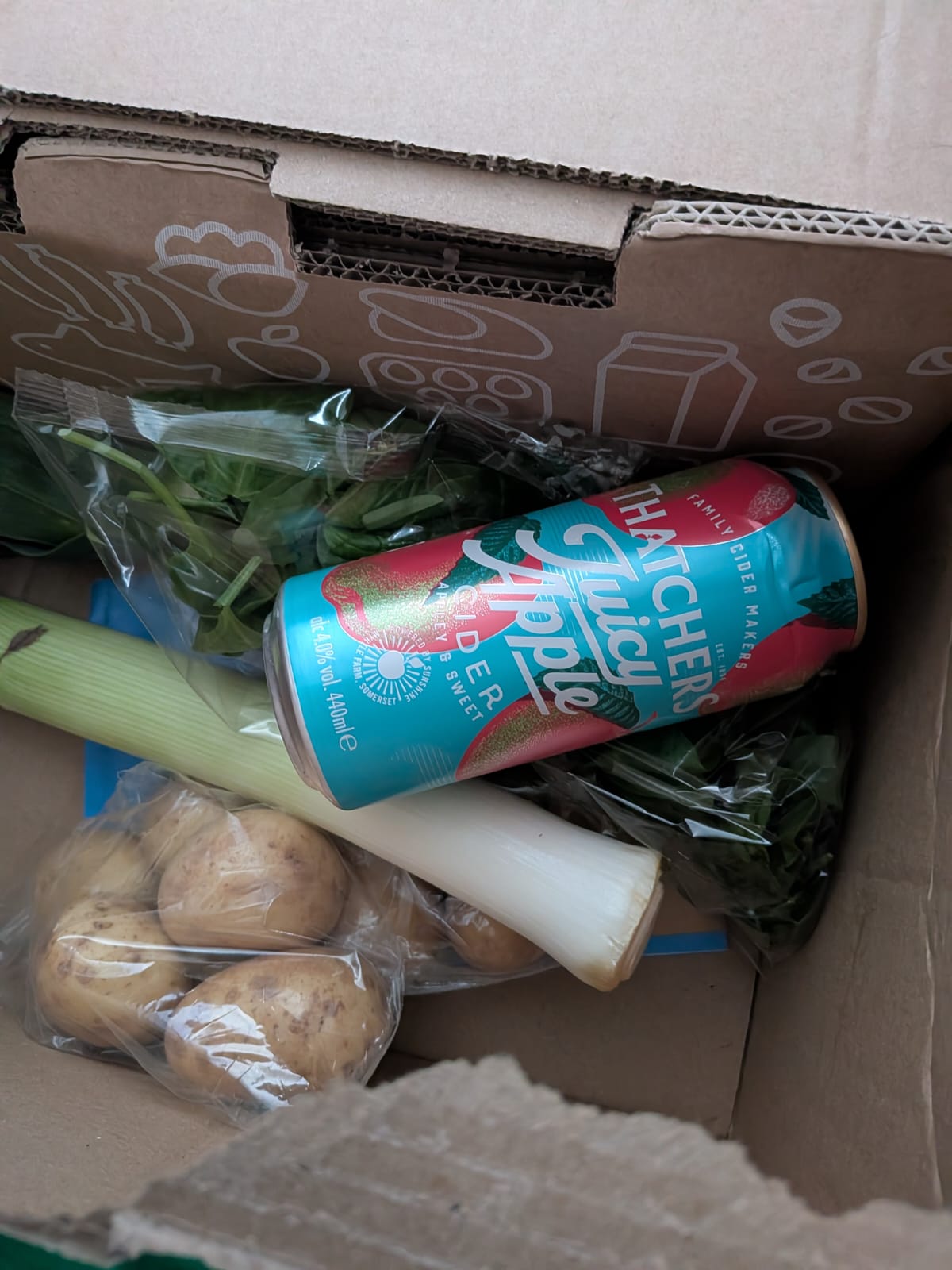
Then one day, a can of cider arrived with her HelloFresh delivery – uninvited, into an alcohol-free home.
“On a bad day, that could ruin someone’s life. It could take a parent away from their child.”
Samantha has ADHD and autism, and – like many people in recovery – this can bring a relationship with impulsivity. For anyone in that position, an unexpected can of alcohol on the doorstep is not a simple marketing misstep. It is a danger. Not because of who they are, but because of where they are in their life, and what that moment represents.
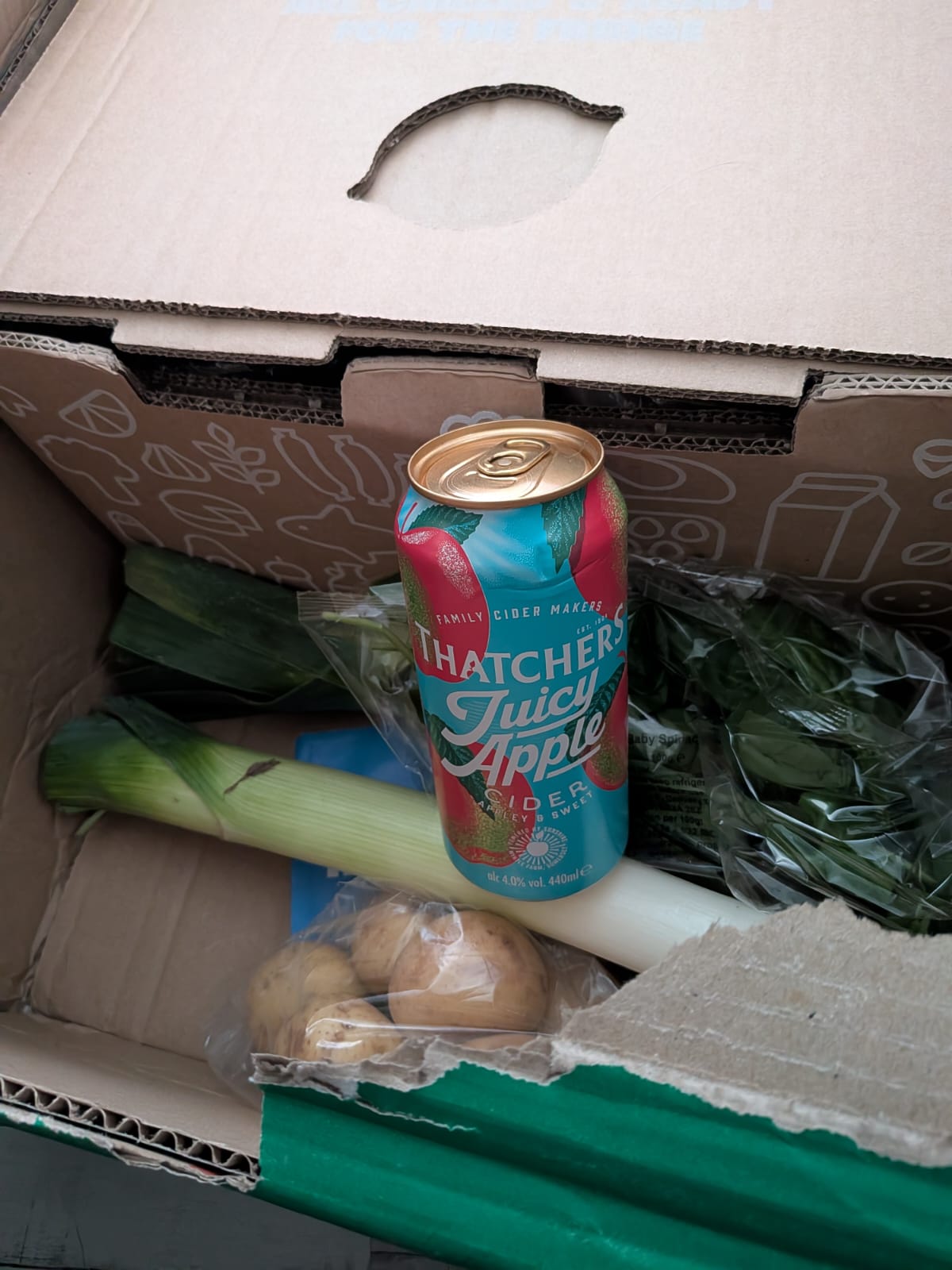
Samantha spoke out. She shared her experience on LinkedIn, making a clear and personal case: this is not about preference. For some people, unsolicited alcohol is a risk. It can cost them their sobriety. In some cases, it can cost them their life.
She was not expecting any response – let alone what happened. Within days, hundreds of comments poured in. Meetings were booked with people in organisations, and the inclusion community. And people told her something she had not anticipated: her awareness work was not just protecting those in recovery. It was protecting other adults and children too.
There were a minority of comments which made personal attacks against her online, too. That reaction proves the point better than any statistic: alcohol-by-default is so deeply ingrained that simply asking for consent was treated by some as a provocation. Sending alcohol into people’s homes uninvited is not a neutral act.
HelloFresh listened. They paused their alcohol promotions. And Not Everyone Drinks was born.
HelloFresh then asked Samantha to meet them – to help them get it right. She declined because lived experience and professional expertise have value, and no one should be expected to hand them to a large organisation for free. Samantha had already given considerable time explaining, directly to HelloFresh, why this was a risk, and received no meaningful response until she went public. To date, she has not received answers to her questions from them or from Thatcher’s.
“Not everyone drinks, and many people do not want alcohol pushed into their homes and spaces. It sounds obvious – but apparently it still needs saying.”
Why It Matters: The Stakes Are real
This campaign is not about personal preference. For many people, unsolicited alcohol is not a minor inconvenience – it is a genuine risk to their health, their safety, and in some cases, their life.
This is happening to real people
A can of cider arrived, unrequested, with a family’s meal kit delivery. For someone in recovery, on a bad day, that could ruin a life – and take a parent away from their child or vice versa. This is not hypothetical. It happened. And it is happening to people every day.
Brands do not know who is on the other end
They send alcohol to millions of inboxes, front doors, and feeds without asking. Someone in active recovery. Someone whose faith forbids it. Someone on medication. A parent. A child in the household. No one consented. Everyone deserved better.
This campaign protects children too
When Samantha spoke out, people came forward to tell her that her awareness work was protecting not only those in recovery but also children. The can of cider looked almost identical to a can of apple juice – a child could easily have picked it up and drunk it. People experienced with foster care spoke up too: children in foster care may need to avoid triggers connected to alcohol, and an unexpected arrival at the family home undermines that overnight. Alcohol arriving at family homes uninvited whether through deliveries, promotions, and hampers – is a child safeguarding issue as much as it is an inclusion one.
No ID check at the door – a loophole
Many people simply could not believe this had happened at all: alcohol was delivered to a home with no ID check and no age verification. Buy a can in a shop and you may be asked for proof of age – but alcohol arriving inside a recipe box or passed off as a ‘gift’ that is not paid for appears to bypass that safeguard entirely. If this is a loophole in how alcohol reaches people’s homes, it needs closing.
This is about personal choice
No one in these homes chose for alcohol to arrive. Whether someone is in recovery, a foster carer, a parent, or simply a person who does not drink – the choice about whether alcohol enters their home should be theirs, not a marketing department’s.
Unsolicited alcohol is a safeguarding failure
Brands have a duty of care. Sending alcohol to customers without their consent – without knowing who they are, what they are managing, and who else is in their home – is a failure of that duty. It is not neutral. It is harmful.
The Numbers Behind The Urgency
• The World Health Organisation attributes 2.6 million deaths per year worldwide to alcohol.
• Many UK adults either do not drink or stay within low-risk guidelines – yet marketing often assumes otherwise.
• The number of people choosing not to drink continues to grow, particularly among younger adults.
• People in recovery are not a fringe group – they are customers, colleagues, and members of every community.
“This campaign is not anti-drinking. It is pro-choice. And right now, people who choose not to drink are not always being given that choice.”
Policy Change Asks
Not Everyone Drinks makes four specific, actionable asks of brands, employers, and industry bodies:
Opt-in alcohol marketing, not opt-out
No consumer should have to actively refuse alcohol promotions. Make it opt-in by default.
Inclusion audits on marketing communications
Brands should apply an inclusion lens to all promotional materials – asking who might be excluded, harmed, or made uncomfortable by alcohol-related content.
Workplace and organisational sobriety inclusion policies
Employers and organisations should have explicit policies ensuring sober employees and guests are never sidelined or made to justify their choice at work events, team socials, or client entertainment.
Industry recognition of sober consumers
The non-drinking population is growing and commercially significant. Brands, agencies, and industry bodies should deliberately acknowledge and serve this audience.
Partnerships and Collaboration
Not Everyone Drinks is actively seeking partnerships with organisations and individuals who share the conviction that choice and sobriety deserve respect. Change at scale does not happen alone – it happens when aligned voices amplify one another.
Sobriety and Recovery Organisations
Charities, peer support networks, and community groups working with people in addiction recovery or long-term sobriety. Our platform brings brand accountability and public reach; your expertise brings lived experience and credibility. Together, we can push for changes that genuinely protect the people you serve.
Alcohol-Free and Low-ABV Market Leaders
Brands in the growing alcohol-free space understand this market is growing for a reason. Co-creating content, campaigns, and advocacy with Not Everyone Drinks aligns your brand with a values-led movement and positions you as a genuine ally to non-drinkers.
Inclusion and Wellbeing Consultants
Fellow impact consultants, coaches, mentors, and wellbeing professionals who see sobriety inclusion as an underserved gap in the workplace wellbeing and DEI agenda. Collaboration could include joint content, shared advocacy, referral partnerships, or co-designed programmes.
Media, Journalism, and Advocacy Platforms
Journalists, podcasters, newsletter writers, and social advocates covering addiction, recovery, inclusion, consumer rights, and workplace wellbeing. This story needs to be told widely and well, without provoking those who choose to drink or victimising those who choose not to.
Partnership enquiries: samantha@idinclusion.org | www.idinclusion.org
How YOU Can Be Part Of This
This campaign has grown from one conversation into a national discussion in a matter of weeks. The next stage is turning that momentum into lasting change across organisations, policy, and industry practice.
That requires resources, collaboration, and expertise.
For Organisations
The most immediate way to support this campaign is to look at your own practices.
• Review how alcohol appears across your marketing, products, and customer journeys
• Consider where assumptions are being made – and who they may exclude
• Bring this conversation into your teams, policies, and leadership discussions
Samantha works with organisations through paid speaking, consultancy, and advisory work to help them apply these changes in practice.
This work sits at the intersection of inclusion, safeguarding, and consumer responsibility – and it is an area many organisations have not yet fully considered.
For Partners and Collaborators
This campaign is already actively building relationships with:
• Organisations working in recovery, safeguarding, and public health
• Alcohol-free and low-ABV brands
• Inclusion, wellbeing, and policy professionals
• Media and advocacy platforms
If your work aligns, there is real opportunity to collaborate and scale impact together.
For individuals
• Sign up to the newsletter to follow campaign progress and outcomes
• Share your experience and comment – lived stories strengthen the case for change
• Introduce this work to organisations and networks that should be part of the conversation
Everything so far has been built quickly and unpaid, alongside Samantha’s other work.
The focus now is on developing the campaign in a way that is sustainable, evidence-based, and capable of influencing long-term change.
This includes:
• Research and data development
• Policy engagement
• Campaign infrastructure and communications
• Pro bono support – legal, communications, policy expertise, or design.
Support – whether through partnerships, possible future funding, or professional expertise – will help move this from momentum to measurable change.
If your organisation hasn’t yet considered this, now is the time – samantha@idinclusion.org
Don’t Just Read This – Join It
Sign up for the Not Everyone Drinks newsletter and be there for every win, every brand response, and every step towards opt-in becoming the standard.
Thank You
A thank you to Alix Dash and Emma Hensley, my amazing VAs, who supported the logistics of pulling all of this together in a matter of days.
And thank you to everyone on LinkedIn who urged me to keep raising this – your support is the reason this campaign exists.
NOT EVERYONE DRINKS
Promoting choice. Respecting sobriety.